Flexible instrument training tailored for pilots ready to fly IFR. Train at your pace, master procedures and communication, and build the confidence to fly safely in the system.
Instrument training is where you learn to fly with precision and confidence when the horizon disappears. You’ll master controlling the airplane by reference to the instruments, sharpen your radio and procedure skills, and learn how to safely navigate clouds, low visibility, and busy airspace with an instructor by your side.
Cost: See Details Below
Earn your FAA Instrument certificate and open a world
of experiences and navigate through the clouds!
Train with experienced flight instructors and maintenance that prioritize safety
Learn at your own pace with a training program catered to you
and your learning style. Your time and investment is as important to us
as it is to you
Buck's Flight Academy has a strict adherence to uphold and maintain all
14 CFR Part 43 and 91 maintenance requirements
Below is the FAA minimum cost estimate under Part 61 using the required 40 hours of actual or simulated instrument time. This pricing includes aircraft rental and instructor time based on minimums.
Straightforward hourly pricing.
Based on the FAA’s minimum instrument time and instructor requirements.
These costs vary by student, examiner, and study method.
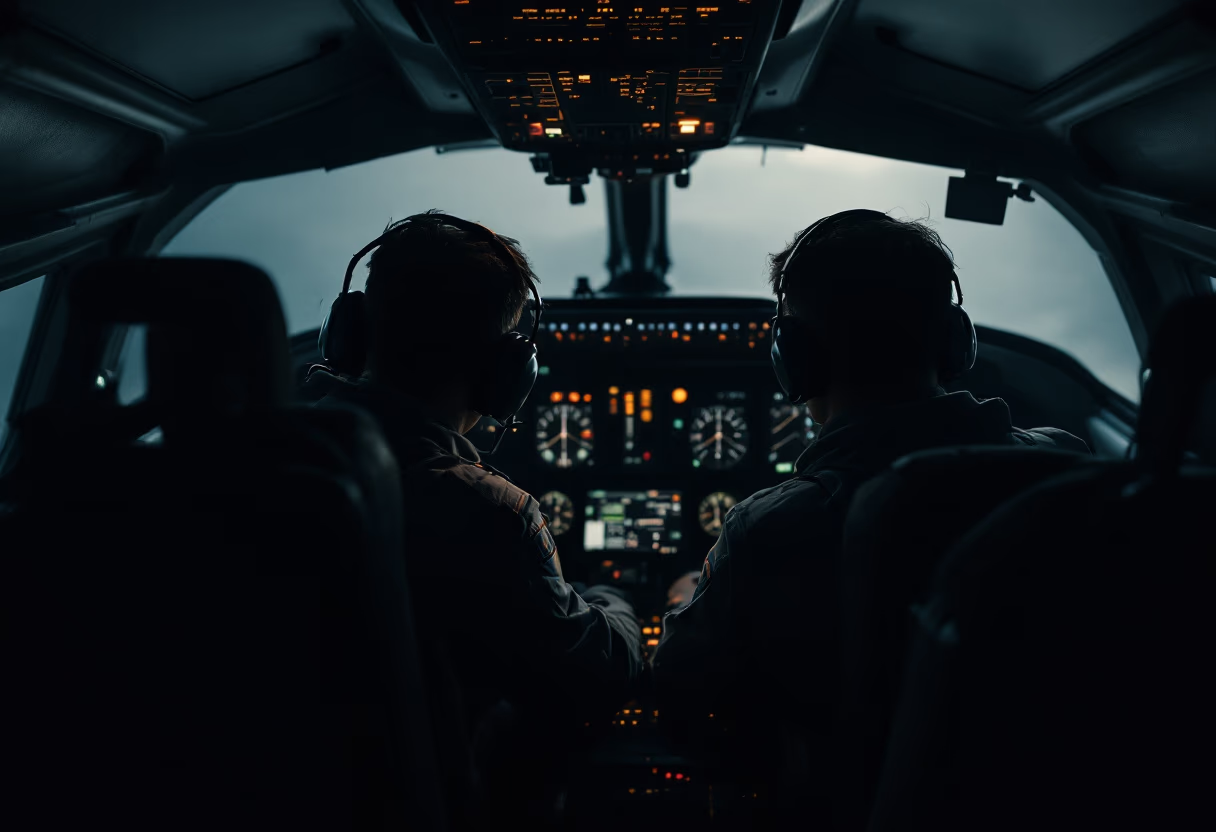
Instrument training is where flying opens up. You’ll learn to operate safely and confidently when the horizon isn’t there using instruments, procedures, and ATC to get you from departure to landing with precision. An instrument rating expands when and where you can fly, builds real-world decision making, and is a major step toward becoming a safer, more capable pilot. If your goal is Commercial, it’s one of the most valuable ratings you can earn and a foundation you’ll rely on for the rest of your aviation career.
Meet your instructor, review prerequisites, set your schedule, and get plugged into our training syllabus. We’ll build a plan that matches your availability and keeps you progressing consistently.
You’ll develop a strong instrument scan and learn to control the airplane smoothly “under the hood.” This is where precision starts: headings, altitude, airspeed, and staying ahead of the airplane.
You’ll learn how IFR works from a pilot’s perspective: charts, clearances, flight planning, weather decisions, and then start flying the procedures that make up the rating: holds, intercepting/tracking, and approaches (ILS/RNAV/VOR), including missed approaches.
Now it becomes mission-based. You’ll combine radios, navigation, weather, and procedures while working with ATC. This phase builds confidence and consistency, not just “checking boxes.”
As your skills sharpen, you’ll fly longer instrument cross-countries that look like real missions: weather decisions, reroutes, holds, approaches at different airports, and building confidence outside your home environment.
Once the ground knowledge is solid, you’ll take the FAA Instrument Airplane knowledge test at a local testing center (70% or higher). We’ll aim to have you prepared so it feels like a checkpoint, not a hurdle.
The final phase ties everything together. You’ll train to ACS standards, practice full mock checkrides, and sharpen your decision-making. Then you’ll take the practical test with a Designated Pilot Examiner (DPE) and finish with a rating that changes everything.


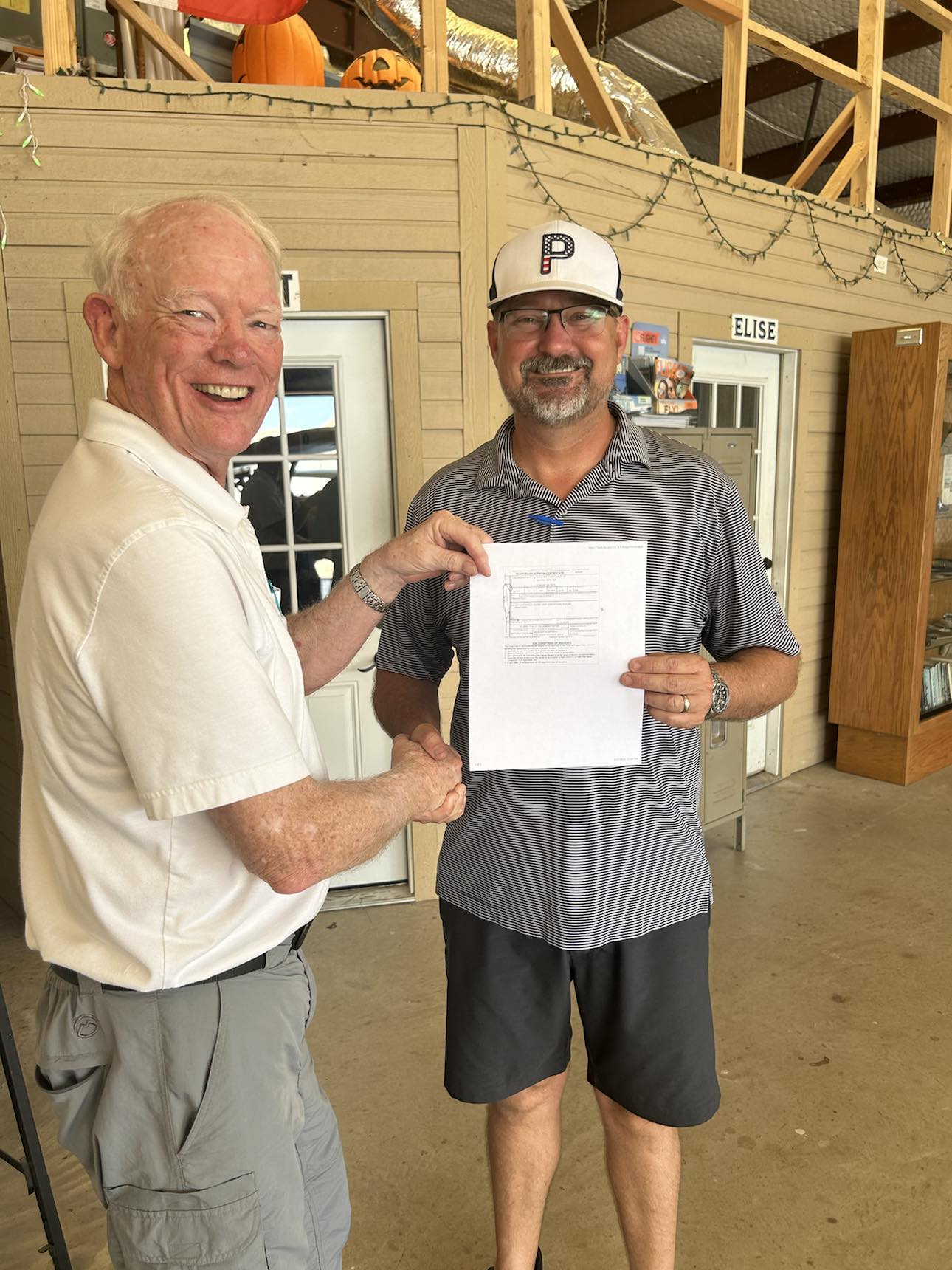


Explore our academy’s training highlights and student journeys.
From solo to certified!