Our Rates
Simple hourly pricing you can plan around.
Twin Comanche Rental
Wet rate (aircraft only)
$369/hr
Multi-Engine Instructor
Flight training + briefings
$55/hr

Professional multi-engine training tailored to your goals. Learn at your pace, sharpen real world twin procedures, and build time efficiently with confident instruction.
Multi-engine training teaches you to safely operate a twin, with emphasis on systems, performance, and engine-out control. You’ll train asymmetric thrust management, single-engine procedures, and sharper checklist discipline, then finish with a practical test with a Designated Pilot Examiner to earn your multi-engine rating.
Cost: See Details Below
Earn your FAA Multi-Engine Rating or Add-on and open a world
of experiences and destinations at new speeds and heights!
Train with experienced flight instructor and maintenance that prioritize your safety
Learn at your own pace with a training program catered to you
and your learning style. Your time and investment is as important to us
as it is to you
Buck's Flight Academy has a strict adherence to uphold and maintain all
14 CFR Part 43 and 91 maintenance requirements
Below is an example estimate for multi-engine training. Multi-engine add-ons are typically proficiency-based (not a fixed FAA minimum hour requirement), so your total time may vary.
Simple hourly pricing you can plan around.
Wet rate (aircraft only)
Flight training + briefings
Example: 10 hours of multi-engine training.
10 hrs × $369/hr
10 hrs × $55/hr
Aircraft + instructor (example hours)
These costs vary by pilot, location, and examiner.
Estimated:$700 – $1,200(paid to examiner)
Estimated:$55/hr(briefings, systems, oral prep)
Estimated:$50 – $250(checklists, guides, apps)
Multi engine training is about learning to manage more performance and more complexity with disciplined procedures. You will build confidence in normal operations, then train the skills that matter most in twins: engine out control, decision making, and staying ahead of the airplane.
Meet your instructor, review prerequisites, and set a clear plan for your add on timeline, aircraft, and checkride expectations.
Get comfortable with cockpit flow, checklist usage, power changes, engine indications, and how this airplane differs from the singles you are used to.
Sharpen takeoffs, landings, and basic maneuvers to multi engine standards, with an emphasis on smoothness, accuracy, and procedures.
Learn the twin’s systems in depth and how performance planning changes with weight, density altitude, and single engine limitations.
Train asymmetric thrust management, Vmc awareness, and the full identify, verify, and feather process with strong callouts and discipline.
Practice single engine climbs, patterns, and approach setups while maintaining control, configuration management, and stabilized profiles.
Combine systems, performance, and emergencies into realistic training scenarios so you can make good calls quickly and fly the airplane precisely.
Run full mock checkrides, tighten up weak areas, and finish with the practical test with a Designated Pilot Examiner to earn your multi engine rating.


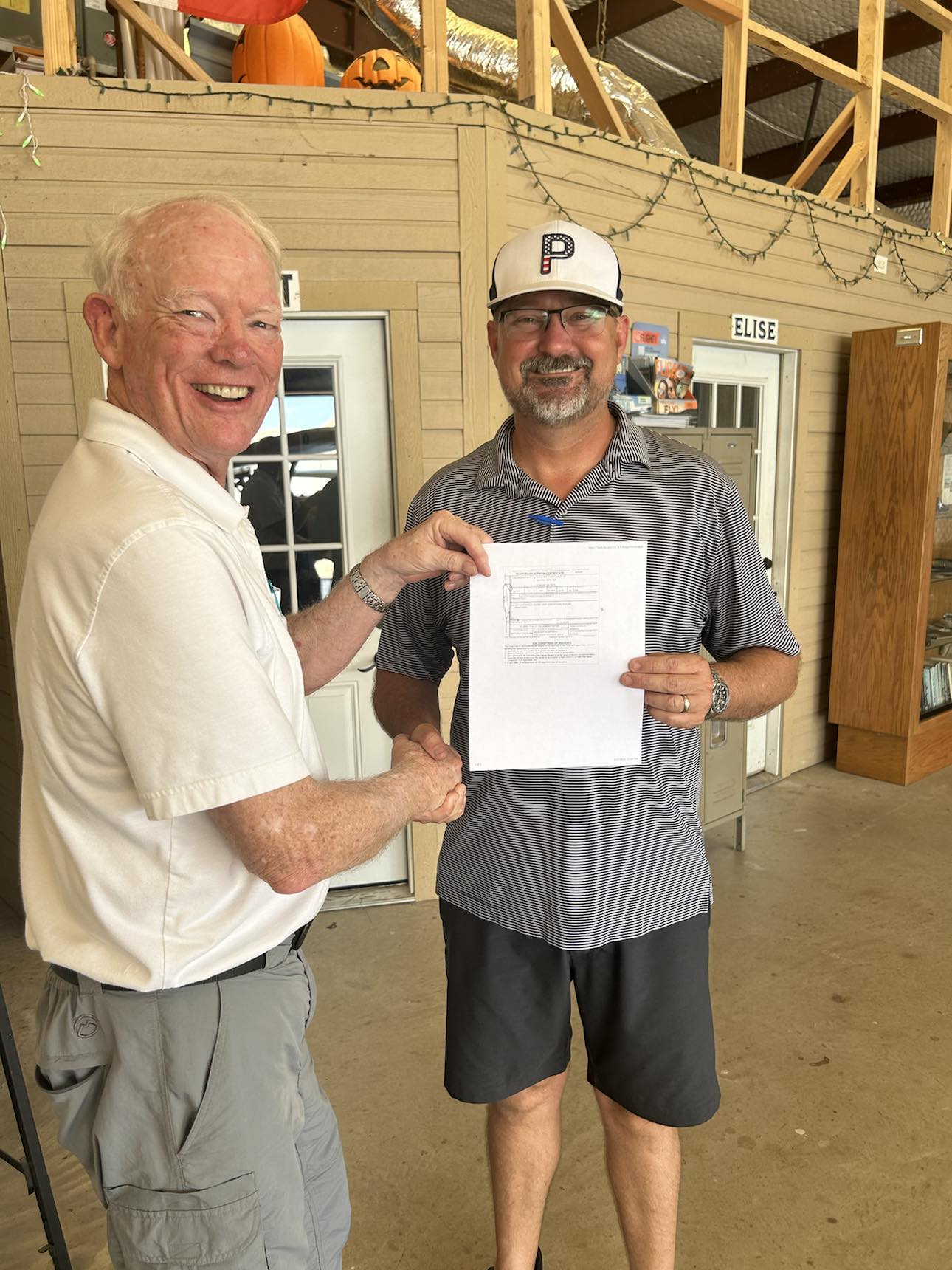


Explore our academy’s training highlights and student journeys.
From solo to certified!